Engineering Insights
Field notes on welding engineering, NDT, and code compliance
Practical guidance for Ontario fabricators, inspectors, and project teams. No login required to read articles.
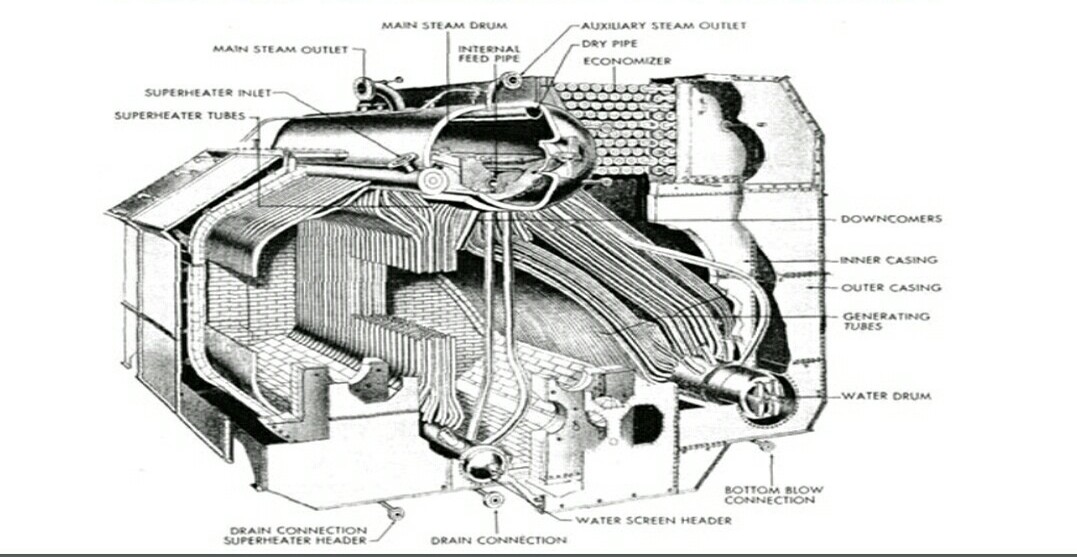
ASME Section I Organization and Structure
The ASME Boiler and Pressure Vessel Code (BPVC) Section I - Rules for Construction of Power Boilers is one of the most widely used engineering standards in the world for the design, fabrication, inspection, testing, repair, and certification of power boilers. It establishes minimum safety requirements to ensure the integrity of boilers operating at pressures exceeding 15 psig and steam-generating units used in industrial facilities, power generation plants, refineries, steel mills, and other critical applications. ASME Section I is developed and maintained by the American Society of Mechanical Engineers (ASME) through a structured committee system consisting of volunteers from industry, regulatory authorities, manufacturers, operators, inspection agencies, engineering firms, and academia. This balanced organizational structure ensures that the Code reflects practical experience, technological advancements, and public safety considerations.
Read article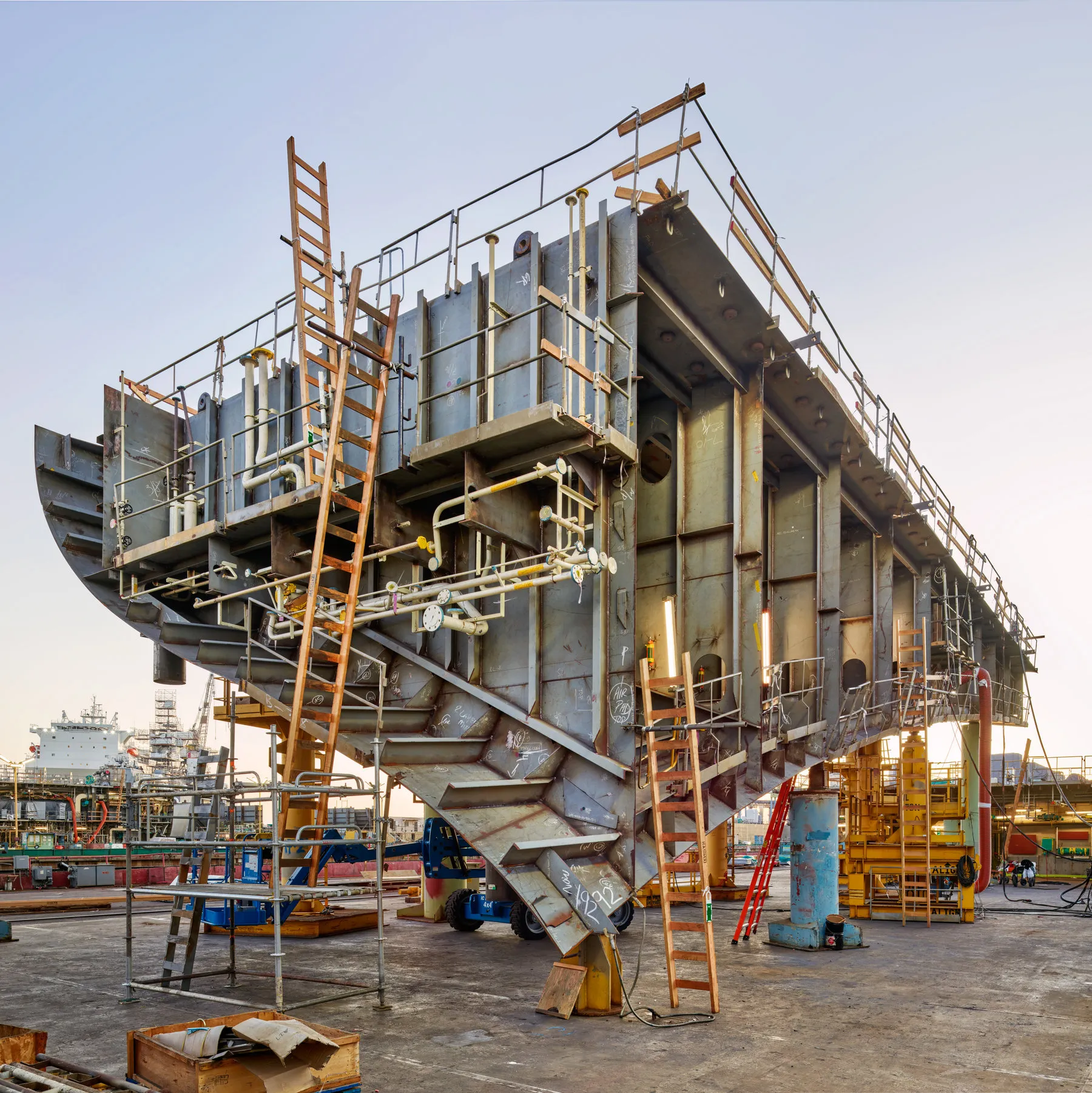
Understanding Annex M of CSA W59 and Its Connection to IACS Classification Society Rules
Annex M was introduced into CSA W59 to provide guidance on the use of structural steels that originate from the marine, offshore, and shipbuilding industries, particularly steels recognized by the IACS (International Association of Classification Societies). Key points: IACS develops unified requirements for shipbuilding and offshore structural steels used worldwide. Its members include ABS, DNV, Lloyd's Register, Bureau Veritas, and ClassNK. Many classification societies use essentially the same steel requirements because they follow IACS Unified Requirements. As a result, grades such as AH36, DH36, EH36, and FH36 are generally equivalent regardless of whether they are certified by ABS, DNV, LR, or BV. Annex M helps Canadian fabricators, welding engineers, and inspectors understand how these internationally recognized steels fit within the CSA W59 framework for: Material grouping Welding procedure qualification Filler metal selection Preheat and welding requirements The annex became important as Canadian projects increasingly involved offshore modules, marine structures, ports, ship repairs, and internationally sourced materials. The 2018 edition of CSA W59 specifically expanded recognition of several material specifications from ABS, API, ASTM, CSA, IACS, and Lloyd's. Why It Matters Annex M allows a fabricator working to CSA W59 and CSA W47.1 to confidently weld and inspect marine-grade steels that may be certified by different classification societies while recognizing that many of these materials are based on the same harmonized IACS requirements. In one sentence: Annex M is essentially CSA W47 is a bridge between Canadian structural welding requirements and the internationally harmonized marine and offshore steel rules developed through IACS.
November 5, 2026 · 4 min

Serving Ontario Remotely and On-Site
Providing CWB Retained Welding Engineer services, welding engineering, inspection, metallurgy, and quality consulting to clients across Ontario. Support is available both virtually and on-site, helping fabricators, manufacturers, contractors, and industrial facilities meet CWB, CSA, ASME, AWS, and TSSA requirements.
November 4, 2026 · 4 min
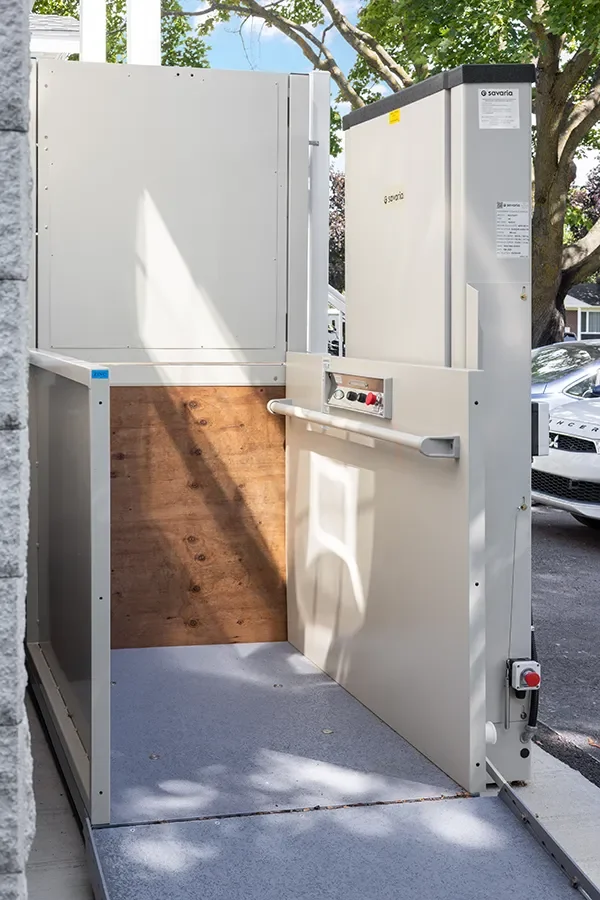
CSA-B613 – Private Residence Lifts for Persons With Physical Disabilities Welding Requirements
Welding is a key joining method used in the fabrication of lift carriages. To ensure welds of the highest quality and the safety of both the users of lift carriages and the general public, CSA Standard B613 provides specific requirements around the welded fabrication and welding inspection of such equipment.
November 4, 2026 · 2 min
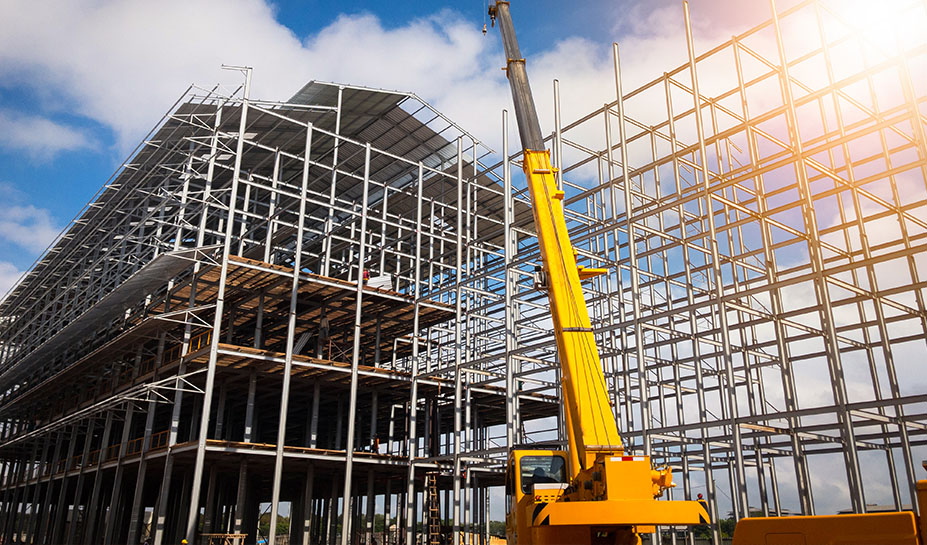
CSA-S16 – Design of Steel Structures Welding Requirements
Welding is a key joining method used in the fabrication of steel structures. To ensure welds of the highest quality and the safety of both the users of buildings and the general public, CSA Standard S16 provides specific requirements around the design of steel structures and welded fabrication and erection of steel structures, with awareness that buildings are occupied by people.
November 4, 2026 · 4 min
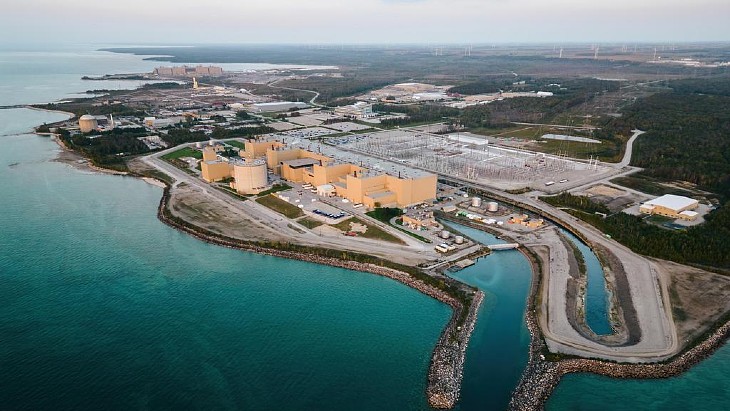
CSA-N291– Requirements for safety-related structures for CANDU nuclear power plants
Welding is a key joining method used in the fabrication of structures that support, house, or protect nuclear safety systems, components of structures that are required for the safe operation and/or safe shutdown of the reactor and facilities for the storage of irradiated fuel and other radioactive waste material. To ensure welds of the highest quality and the safety of both the users of CANDU power plants and the general public, CSA Standard N291 provides specific requirements around the design, construction, fabrication, inspection, and examination requirements of structures, with awareness that the CANDU nuclear plants are used by people.
November 4, 2026 · 4 min
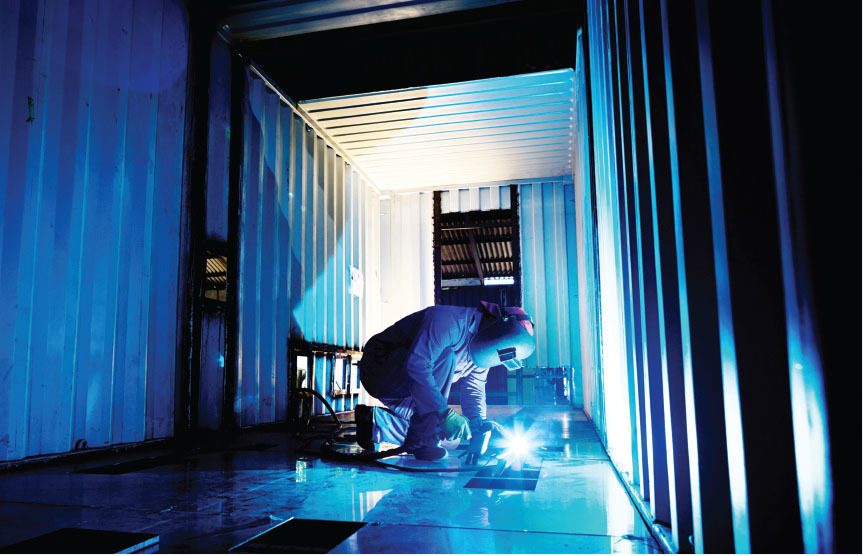
CSA WELDING CERTIFICATION STANDARDS FOR REPURPOSED SHIPPING CONTAINERS
Transforming shipping containers into functional structures requires compliance with specific welding standards to ensure structural integrity and safety. By adhering to established CSA welding certification standards, companies can repurpose shipping containers safely and effectively for various applications.
November 4, 2026 · 4 min

The Role of the CWB Retained Welding Engineer Under CSA W47.1/W59, CSA W47.2/W59.2, and CSA W186
The CWB Retained Welding Engineer is a qualified Professional Engineer who provides technical oversight and ensures compliance with Canadian welding certification standards such as CWB Group CSA W47.1/W59 (steel), CSA W47.2/W59.2 (aluminum), and CSA W186 (reinforcing bars). Companies certified under Division 2 typically retain a welding engineer rather than employ one full-time. Key responsibilities include: Developing and approving WPSs, WPDSs. Interpreting welding codes and providing technical guidance on materials, repairs, consumables, and fabrication issues. Conducting periodic audits and reviews to verify ongoing compliance with certification requirements. Supporting welding supervisors, welder qualification programs, and corrective actions related to welding quality. Providing metallurgical expertise, failure analysis, and welding engineering support when technical issues arise. Ultimately, the CWB Retained Welding Engineer serves as the company's welding authority, helping ensure that welding activities are performed safely, consistently, and in accordance with applicable CSA standards while maintaining the integrity of the company's CWB certification.
November 3, 2026 · 6 min